
Winter Prep Tips for Homeowners
Winter Home Prep: Practical Ways to Avoid Costly Repairs
Cold weather has a way of arriving faster than expected. Mild temperatures can quickly give way to freezing conditions, snow, and ice that put added pressure on your home. While no one can control the forecast, taking proactive steps ahead of winter can significantly lower the chances of expensive damage and unexpected repairs.
Seasonal upkeep is often delayed, yet small preventative actions can go a long way. Research shows that many homeowners have not taken steps in recent years to protect their homes from severe weather. Meanwhile, maintaining a single-family home now costs more than $18,000 annually on average. Safeguarding that investment does not always mean major upgrades—simple maintenance tasks can be just as impactful.
Schedule a Heating System Inspection
Your heating system carries a heavier workload during winter than at any other time. Ensuring it is running properly before temperatures drop helps catch minor concerns before they turn into costly issues. A system that operates efficiently is also more reliable when you need it most.
Having a professional inspect your system can uncover potential mechanical problems or performance inefficiencies early. This reduces the likelihood of breakdowns during freezing conditions. If your home still relies on an older thermostat, switching to a programmable or smart version can help regulate indoor temperatures more effectively while lowering energy usage.
Protect Your Home From Frozen Pipes
Frozen pipes are one of the most frequent and costly winter-related issues homeowners face. When water freezes inside plumbing, it expands and can cause pipes to crack or burst. Even a single rupture can release a significant amount of water in a short time, leading to serious damage before it is noticed.
To help prevent this, insulate pipes located in colder, unheated areas such as basements, crawl spaces, garages, and attics. It is also important to maintain a consistent indoor temperature of at least 65°F, even if you are away from home. Keeping your home warm reduces the likelihood of pipes freezing during extreme cold spells.
Test Smoke and Carbon Monoxide Detectors
As heating systems are used more often in winter, home safety becomes increasingly important. Heating equipment is a leading contributor to house fires during colder months, making properly functioning smoke and carbon monoxide detectors essential.
Before winter arrives, test each detector in your home to ensure it is working correctly. Replace batteries as needed and confirm that every unit is operational. This simple step provides an added layer of protection for your household throughout the season.
Keep Gutters and Downspouts Clear
During the fall, leaves and debris can quickly accumulate in gutters. When winter precipitation begins, clogged gutters may prevent proper drainage, causing water to back up onto the roof or pool around your home's foundation.
Cleaning out gutters and downspouts before freezing temperatures arrive allows water to flow away from your home as intended. This routine maintenance can help prevent moisture-related damage to both your roof and foundation.
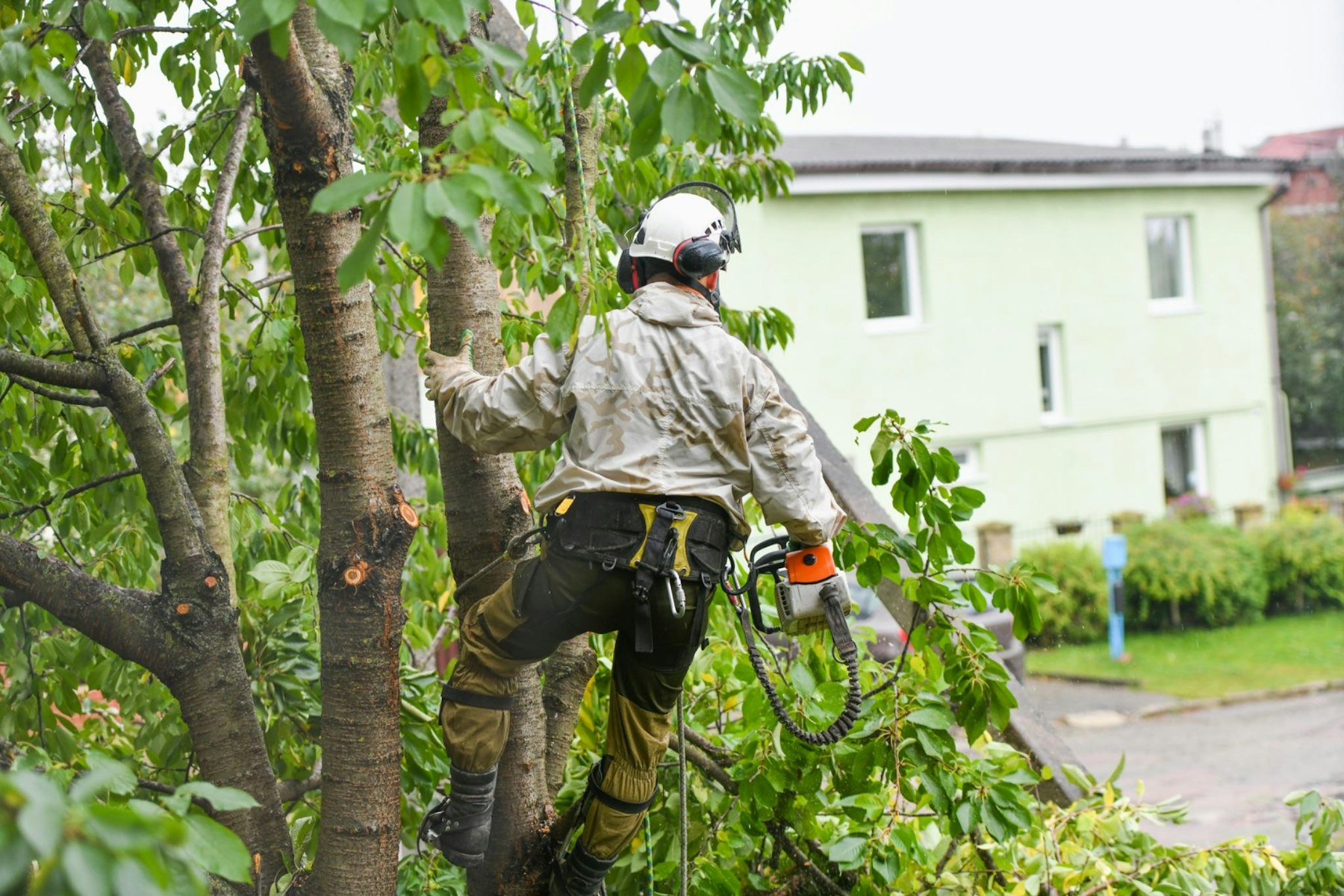
Trim Trees Before Winter Storms Arrive
Trees enhance the appearance of your property, but weakened or overhanging branches can become dangerous during winter storms. Snow, ice, and strong winds can weigh down limbs, causing them to snap and potentially damage roofs, siding, or nearby structures.
Removing dead or fragile branches ahead of winter reduces these risks. Regular trimming not only improves safety but also supports healthier tree growth and makes ongoing yard care more manageable.
Small Maintenance Today Can Prevent Larger Costs Tomorrow
Getting your home ready for winter does not require major renovations or large expenses. Focusing on a few key maintenance tasks can help minimize common seasonal risks while protecting one of your most valuable assets.
Arranging a heating system check, insulating exposed pipes, testing safety detectors, clearing gutters, and trimming trees are all practical steps that can make a noticeable difference. These tasks require minimal time but offer lasting peace of mind throughout the colder months.
If you have questions about preparing your home for winter or want to review your homeowners insurance coverage, the team at Clear Insurance Solutions is available to help. Planning ahead can make all the difference when winter weather arrives.