
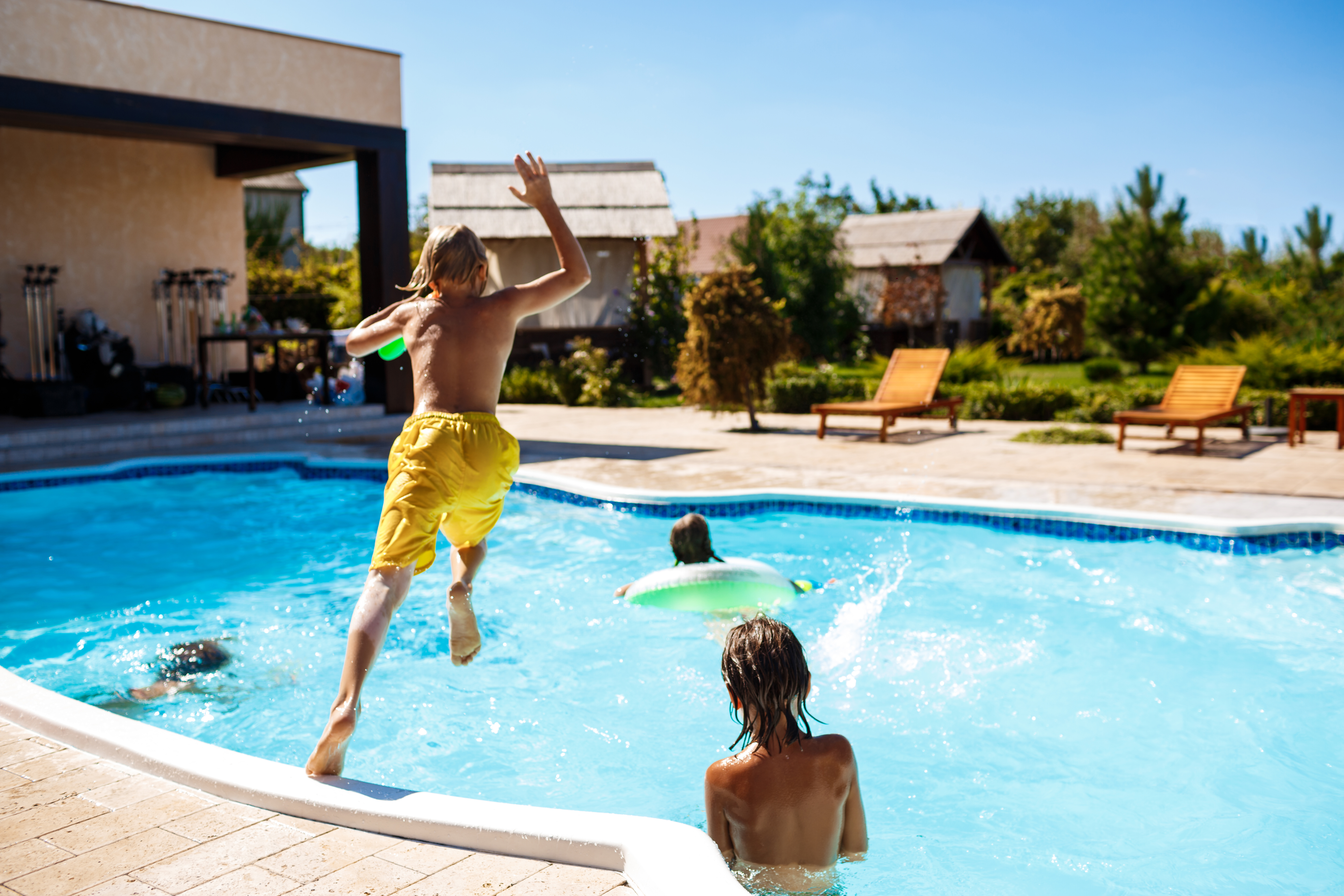
Backyard Pool and Trampoline Liability: What Homeowners Should Know
Summer inspires homeowners to refresh their outdoor spaces with pools, trampolines, and other fun features. While these upgrades can make your property the go-to gathering place, they also increase potential liability risks. If an accident occurs, your homeowners insurance—especially your liability protection—may be called into action. Understanding how coverage works and what safety measures are required can help you enjoy your backyard with fewer worries.
This guide breaks down how liability insurance applies to popular backyard features, why the concept of an attractive nuisance matters, and what steps homeowners can take to reduce hazards and protect themselves financially.
How Homeowners Liability Insurance Helps Protect You
Most homeowners insurance policies include personal liability coverage, which can safeguard you if someone is injured on your property and you are found legally responsible. This coverage may help pay for medical bills, legal representation, and potential settlements that arise from a claim.
The Insurance Information Institute notes that many standard policies begin with liability limits of around $100,000. Because backyard additions like pools, trampolines, and playground equipment can lead to more frequent injuries, many homeowners choose higher limits for added security.
However, having liability coverage does not replace the need for a safe environment. Insurers expect homeowners to maintain their property responsibly, and failing to follow safety guidelines or requirements could affect how a claim is handled.
Why the "Attractive Nuisance" Rule Matters
Backyard features that draw children’s attention can fall under what the law calls an "attractive nuisance." This refers to anything on your property that might entice children to enter, even if they are not invited, while also posing safety risks.
Typical examples include:
- Swimming pools
- Trampolines
- Treehouses
- Playground or swing set equipment
Because children may not understand the dangers associated with these features, homeowners are often held to a higher standard of care. Many cities—and insurance companies—require safeguards such as fencing around pools, locked gates, and approved safety covers. These steps help minimize the likelihood of injuries and show that the homeowner has taken appropriate precautions.
Coverage Requirements and Possible Policy Limitations
Insurance companies have specific rules for backyard features, and failing to meet them may lead to coverage gaps. Understanding these requirements is essential to maintaining valid protection.
Pools often come with the strictest guidelines. Most insurers require them to be enclosed by a fence or barrier that includes a self-latching gate. If these measures are missing and someone gets hurt, the claim could be denied.
Trampolines raise additional concerns. Some policies require safety net enclosures, while others may exclude trampoline-related liability altogether. Reviewing your policy is important to avoid surprises.
Playground sets and similar structures can also create risks if they are not assembled correctly or maintained regularly. Ensuring they follow manufacturer safety instructions and remain in good condition can help reduce potential hazards.
Because requirements vary from one insurer to another, discussing your backyard features with a licensed professional can help you identify exclusions, confirm safety expectations, and choose appropriate liability limits for your situation.
How to Lower Risk and Make Your Backyard Safer
Even with strong insurance protection, the best approach is to prevent accidents before they happen. Fortunately, homeowners can take several straightforward steps to create a safer outdoor environment.
Start with installing proper safety barriers. Pool fencing, secure gates, trampoline nets, and stable play structures significantly reduce the chances of injury. Gates that automatically latch are particularly important to prevent unsupervised access.
Regular maintenance is equally valuable. Outdoor equipment can deteriorate due to weather, age, and frequent use. Inspecting for damaged parts, weakened supports, or worn surfaces can help address issues before they become dangerous.
Posting visible safety rules—such as pool guidelines or depth indicators—can encourage guests to use equipment more cautiously.
Lastly, active supervision remains one of the most effective ways to avoid accidents. Whether children are playing in the pool or jumping on a trampoline, a watchful eye can prevent incidents before they escalate.
Why Keeping Records Can Support a Future Claim
Many homeowners overlook the value of maintaining documentation. Should a liability claim arise, being able to show that you’ve taken preventive measures may strengthen your case.
Helpful documentation can include:
- Photos of safety fencing, locked gates, and enclosures
- Written logs of equipment maintenance
- Receipts for repairs, safety upgrades, or replacement parts
- Notes from periodic inspections
While documentation cannot eliminate liability, it can demonstrate responsible property management and help provide context if an incident occurs.
A Quick Safety Checklist for Homeowners
Before diving into summer activities, use this checklist to help evaluate your backyard’s safety:
- Install necessary fencing, barriers, or enclosures around pools and other attractions
- Confirm gates close and latch on their own
- Inspect trampolines, swing sets, and similar structures routinely
- Repair worn or damaged components promptly
- Keep records of maintenance and safety-related improvements
- Review your homeowners insurance for liability limits and exclusions
These preventative steps can make your outdoor areas safer while reducing the likelihood of financial strain from unexpected injuries.
Enjoy Summer With the Right Protection
Pools, trampolines, and backyard play equipment can transform your outdoor space into a place where family and friends create lasting memories. With the right safety measures and insurance in place, you can enjoy these benefits with added peace of mind.
If you're unsure whether your homeowners policy offers the liability protection you need, an insurance professional can help you evaluate your coverage. Reviewing your policy can uncover potential gaps, clarify safety requirements, and ensure your limits provide the right level of protection.
If you'd like assistance understanding your homeowners coverage or evaluating liability risks, reach out today. A brief conversation can help ensure your backyard fun doesn't turn into an unexpected financial burden.