
Back-To-School Safety Reminders
As summer comes to a close and the school year begins, families shift back into structured routines filled with early mornings, homework, and activities. Along with organizing supplies and schedules, it is equally important to revisit safety habits that help protect children throughout the day. A little preparation now can make a meaningful difference in keeping students safe and confident.
School safety extends far beyond the classroom. From the morning commute to after-school hours at home, each part of the day presents opportunities to reinforce awareness and smart decision-making. By reviewing simple precautions, families can feel more prepared and at ease.
Safe Habits Before the School Day Starts
Getting to and from school safely is a key part of every student’s routine. Whether children walk, bike, take the bus, or ride with a parent, practicing safe behaviors during the commute is essential.
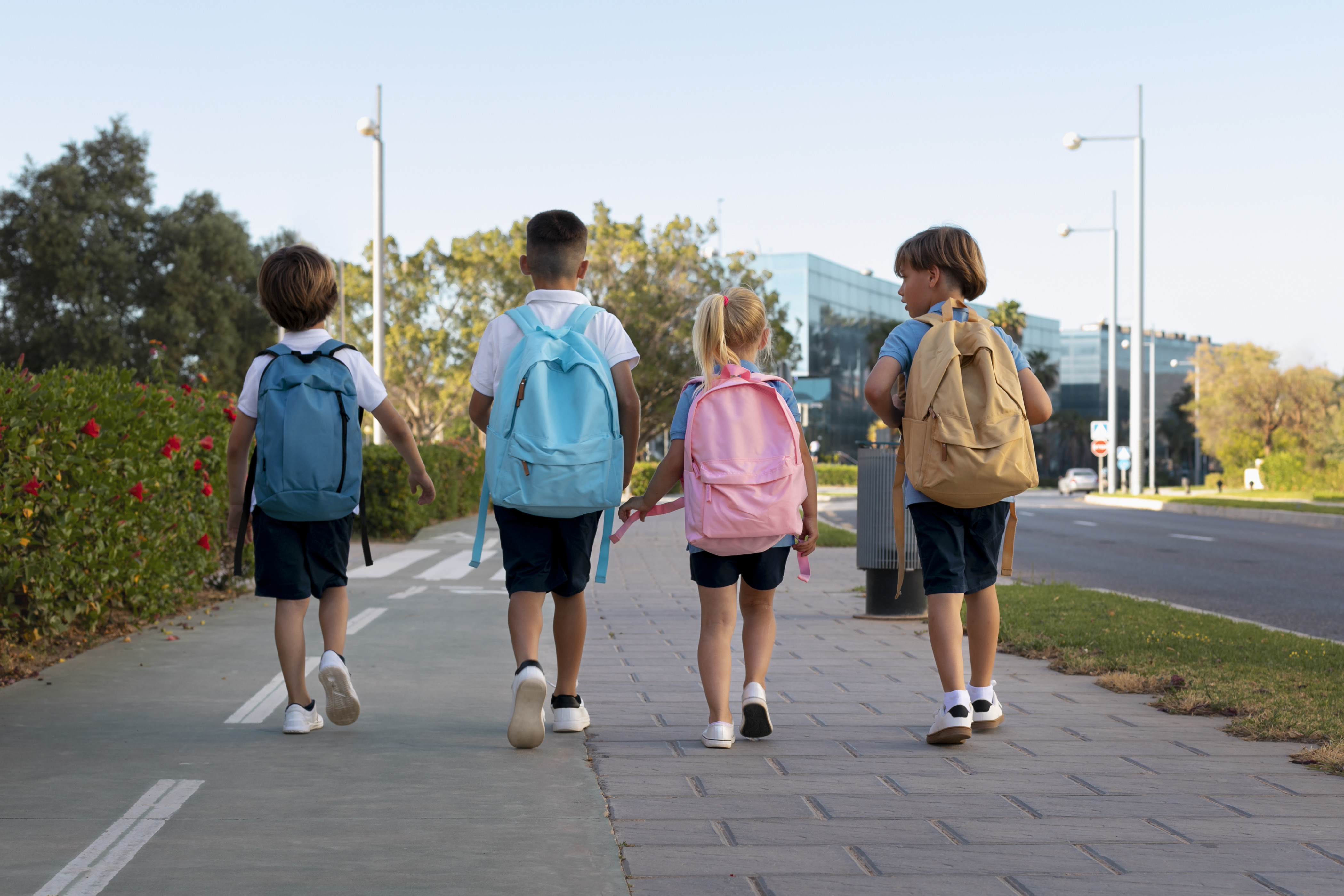
Students who walk should stick to sidewalks whenever available and only cross streets at designated crosswalks or intersections. Looking both ways is important, but making eye contact with drivers adds another layer of visibility. Walking with friends or siblings can also increase safety and awareness along the route.
For those who bike to school, wearing a well-fitted helmet is critical. Children should ride on the right side of the road, following the same direction as traffic, and always stop fully before crossing streets. Choosing routes with less traffic and fewer crossings can help make the trip smoother and safer.
Bus riders also benefit from reviewing safety rules. Children should wait several feet back from the curb and only approach the bus once it has completely stopped. They should avoid walking directly in front of or behind the bus unless they can clearly see the driver. These small habits can help prevent accidents during busy pickup times.
Parents who drive play an important role in maintaining safe school zones. Following drop-off procedures, reducing speed, and never passing a stopped school bus are all essential practices. Consistency in these behaviors helps protect all students.
Teen drivers heading to school should also revisit safe driving expectations. Reinforcing the importance of wearing seatbelts, following speed limits, limiting passengers, and avoiding distractions can encourage responsible driving habits.
Building Safe and Healthy School-Day Routines
Once the school day begins, daily habits continue to shape a child’s safety and well-being. Simple routines can help students feel prepared and supported throughout their time at school.
One of the most valuable things children can learn is how to respond in an emergency. They should know their full name, home address, and a parent or guardian’s phone number. Some families choose to include a small card in a backpack with emergency contacts and medical details, making important information easy to access if needed.
Healthy habits are also important in a school setting. With many students sharing the same space, germs can spread quickly. Teaching proper handwashing and reminding children not to share food or drinks can help reduce illness and keep classrooms healthier.
Backpack use is another area worth reviewing. Carrying too much weight can strain a child’s back and shoulders. Experts suggest keeping a backpack under 15% of a child’s body weight and using both straps to evenly distribute the load.
Conversations about bullying are an important part of school safety. Children should understand what bullying looks like, how to report it, and who they can turn to for help. Knowing there is a trusted adult available can make it easier for students to speak up if something feels wrong.
Labeling personal belongings should also be done thoughtfully. Instead of displaying a child’s full name on the outside of items, using initials or placing labels inside can help maintain privacy while still keeping track of belongings.
Staying Safe After School
Safety does not end when the school day is over. Afternoons can be busy, especially with activities, transportation changes, and varying schedules. Planning ahead helps keep things running smoothly.
Creating a check-in routine is one simple way to stay connected. Children who arrive home before a parent can call or send a quick message to confirm they made it safely. Some families also use location-sharing apps or trackers for added reassurance.
If children spend time home alone, setting clear rules ahead of time is important. Families can discuss locking doors, handling phone calls, and whether it is appropriate to answer the door. Children should also know how to respond if someone unexpected shows up.
Online safety should remain an ongoing conversation. Children should be reminded not to share personal details such as their address, school name, or daily schedule. Encouraging open dialogue about online experiences can help children feel comfortable reporting anything unusual.
Emergency planning is another key area to review. Children should know where to go during severe weather, how to exit safely during a fire, and who to contact if they need help. Practicing these plans at home can help them react more calmly in real situations.
The back-to-school season brings new opportunities, responsibilities, and routines. Taking time to review safety practices before, during, and after the school day helps families feel more prepared for the months ahead. Thoughtful planning today can support a safer and more confident school year for everyone.