
A Fresh Look at Insurance for Your Summer Adventure Gear
Warm weather brings a rush of road trips, water excursions, and outdoor exploration. But before the season ramps up, it’s important to make sure your recreational vehicles are insured properly. Many people assume their home or auto policy provides full protection for boats, RVs, motorcycles, and ATVs, but these policies often leave significant gaps.
A quick insurance review can help ensure your summer toys are fully protected before you head out. Below is a breakdown of how coverage generally works for popular seasonal vehicles and why having dedicated policies matters.
Why Seasonal Vehicles Often Need Their Own Policies
Recreational vehicles face risks that differ from everyday cars and homes. They may be stored outside, used in unfamiliar environments, or exposed to unique hazards such as collisions on the water or accidents on off-road trails. Standard homeowners and auto policies typically offer limited protection for these situations, and in many cases, they exclude them altogether.
Specialized insurance is designed to match how these vehicles are used and the risks they’re most likely to encounter. Without the right coverage, losses such as property damage, injuries, and liability claims can become significant financial setbacks.
Dedicated policies help close these gaps and may even be required to stay compliant with state laws or lender agreements.
Boat Insurance: On-the-Water Protection
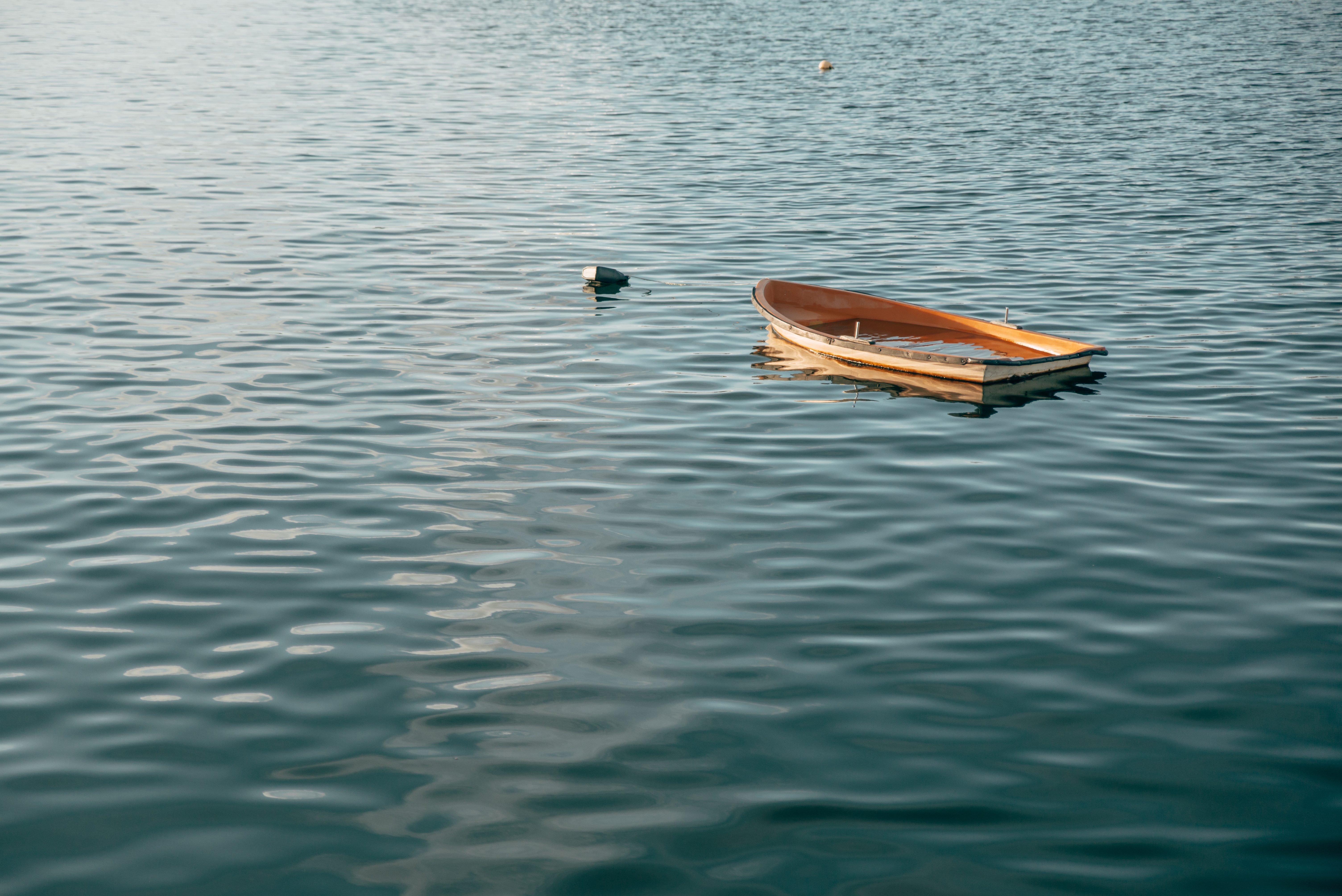
Boat insurance works much like an auto policy by offering coverage for physical damage and liability. Physical damage coverage helps pay for repairs or replacement if your vessel is harmed by storms, theft, vandalism, or water-related collisions. Many policies also include medical payments coverage to assist with injuries involving you or your passengers.
Liability coverage steps in if you injure someone or damage their property while boating. Some insurers also provide uninsured or underinsured boater protection to help cover losses caused by someone who lacks sufficient insurance.
Optional protections may include emergency towing, assistance services, and coverage for items like fishing gear, personal belongings, or trailers. Insurers typically request details about the boat’s size, value, engine type, usage, and storage, as well as your boating experience.
It’s equally important to understand exclusions. Damage resulting from wear, aging, or poor maintenance is often not covered. Your policy may also have restrictions based on where or when the boat can be used. If you transport your boat using a trailer, confirm how coverage applies during transit and storage to avoid confusion later.
RV Insurance: Protection Tailored to Travel Style
RV insurance is built to cover both motorhomes and travel trailers against theft, accidents, weather-related damage, and liability claims. Liability coverage is required in most places for motorhomes since they operate on public roads. Comprehensive and collision coverage are typically optional but may be required if the RV is financed.
Comprehensive coverage is designed for non-collision events like fire, theft, animal damage, or severe weather. Collision coverage helps pay for damage caused by strikes with other vehicles or objects.
Travel trailers differ because they don’t have engines. While insurance is often optional, liability coverage usually comes from the vehicle towing the trailer. Many trailer owners add vacation liability coverage for protection while parked at a campsite.
RV policies may offer roadside assistance, coverage for personal belongings, medical payments, uninsured or underinsured protection, and sometimes even pet-related coverage. Common exclusions include wear and tear and moisture damage such as mold or rot.
Motorcycle Insurance: Essential Protection for Riders
Motorcycle insurance offers coverage if your bike, scooter, or similar vehicle is stolen or damaged and provides liability protection if you’re responsible for injuries or property damage. In most states, motorcycle coverage is mandatory.
Riding without proper insurance can lead to fines, license suspension, legal issues, and in some areas, possible jail time. Even riders with older bikes generally maintain at least the required liability coverage for financial protection.
Rates vary based on factors like your age, location, riding experience, bike type, and the coverage you choose. Regardless of value, carrying the right insurance helps shield you from unexpected expenses after an accident or theft.
ATV Insurance: Closing Coverage Gaps
ATV insurance is an area where many owners encounter surprises. Homeowners policies often provide only limited liability protection, and typically only when the ATV is used on your property. That’s why separate ATV coverage is so important—it follows the vehicle wherever it’s used.
Coverage options can include liability, collision, comprehensive, medical payments, and uninsured or underinsured protection. Collision coverage generally applies to damage that affects operation, while comprehensive protection covers non-collision incidents such as fire or theft and may extend to permanently installed accessories.
Medical payments coverage may help pay for treatment after an ATV accident, regardless of who is at fault. If you haul your ATV using a trailer, be sure to ask how your policy applies during transport. Some incidents require separate trailer coverage to be properly insured.
A Quick Coverage Review Goes a Long Way
Overlooking proper insurance for your summer toys can lead to costly setbacks and legal issues. Taking a moment to review your policies now can help ensure your adventures stay focused on fun rather than financial stress.
If you’re unsure whether your boats, RVs, motorcycles, or ATVs have the right coverage in place, reach out to Clear Insurance Solutions. Our team is here to help you enjoy a safe, worry-free season.